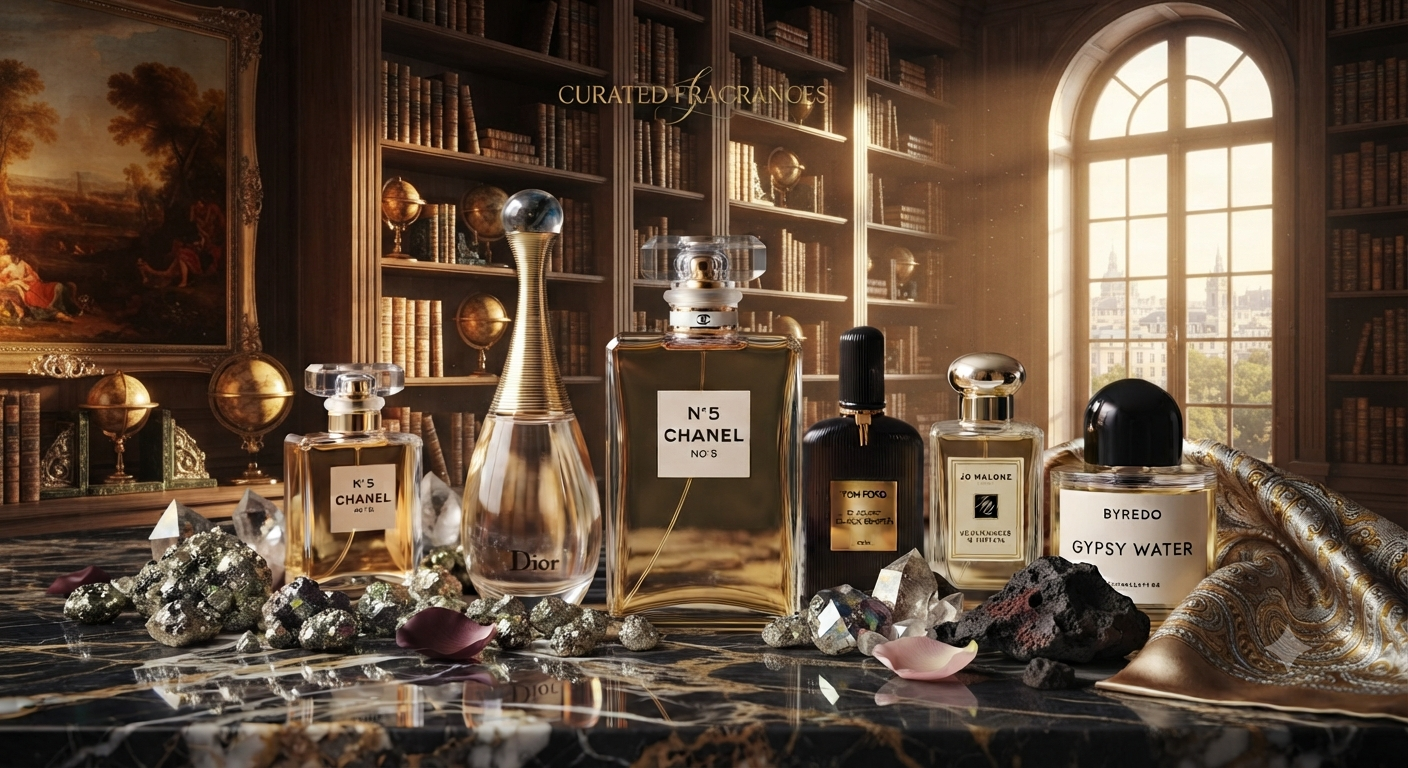
Perfume is more than just a pleasant scent—it is a personal expression of style, personality, and emotion. For centuries, people have used fragrances to enhance their appearance, boost confidence, and create lasting impressions. Today, perfumes are available in a wide range of scents, allowing everyone to find a fragrance that perfectly suits their lifestyle and preferences.
What Is a Perfume?
A perfume is a blend of fragrant oils, aroma compounds, alcohol, and water designed to produce a long-lasting, appealing scent. Modern perfumes are carefully crafted by expert perfumers who combine natural ingredients, such as flowers, fruits, spices, and woods, with high-quality synthetic notes to create unique and memorable fragrances.
Types of Perfumes
Perfumes are classified according to the concentration of fragrance oils they contain:
- Parfum (Extrait de Parfum): The most concentrated and longest-lasting fragrance, often lasting 8–12 hours or more.
- Eau de Parfum (EDP): Rich, long-lasting, and ideal for everyday wear, typically lasting 6–8 hours.
- Eau de Toilette (EDT): A lighter fragrance suitable for daytime use, lasting around 3–5 hours.
- Eau de Cologne (EDC): Fresh and light with a lower fragrance concentration, usually lasting 2–3 hours.
- Body Mist: A subtle fragrance designed for quick refreshment throughout the day.
Popular Fragrance Families
Perfumes come in many scent profiles, including:
- Floral: Romantic and elegant, featuring notes of rose, jasmine, lily, and peony.
- Fruity: Fresh and sweet with scents like apple, peach, berries, and citrus fruits.
- Woody: Warm and sophisticated with sandalwood, cedarwood, and patchouli.
- Oriental (Amber): Rich and luxurious, blending vanilla, spices, amber, and musk.
- Fresh: Clean, crisp fragrances inspired by green leaves, ocean breezes, and citrus.
How to Choose the Right Perfume
Selecting the perfect perfume depends on your personality, lifestyle, and the occasion. Light floral or citrus fragrances are excellent for daytime wear, while warm woody or amber scents are ideal for evenings and special events. Testing a fragrance on your skin before purchasing helps you experience how it develops over time.
Tips for Applying Perfume
To enjoy the best performance from your fragrance:
- Apply perfume to pulse points such as the wrists, neck, and behind the ears.
- Spray from a distance of 15–20 cm for even distribution.
- Avoid rubbing your wrists together, as this can alter the fragrance.
- Moisturized skin helps perfume last longer.
- Store perfume in a cool, dry place away from sunlight and heat.
Benefits of Wearing Perfume
A well-chosen perfume can:
- Boost confidence and self-expression.
- Leave a memorable impression.
- Enhance your mood and complement your style.
- Complete your grooming routine.
- Make special moments even more memorable.
Conclusion
Perfume is an essential part of personal style and self-care. Whether you prefer fresh citrus notes, romantic florals, warm woods, or rich amber fragrances, the right perfume can reflect your personality and elevate your everyday experience. Investing in a quality fragrance allows you to enjoy lasting elegance and create a signature scent that people remember long after you’ve left the room