
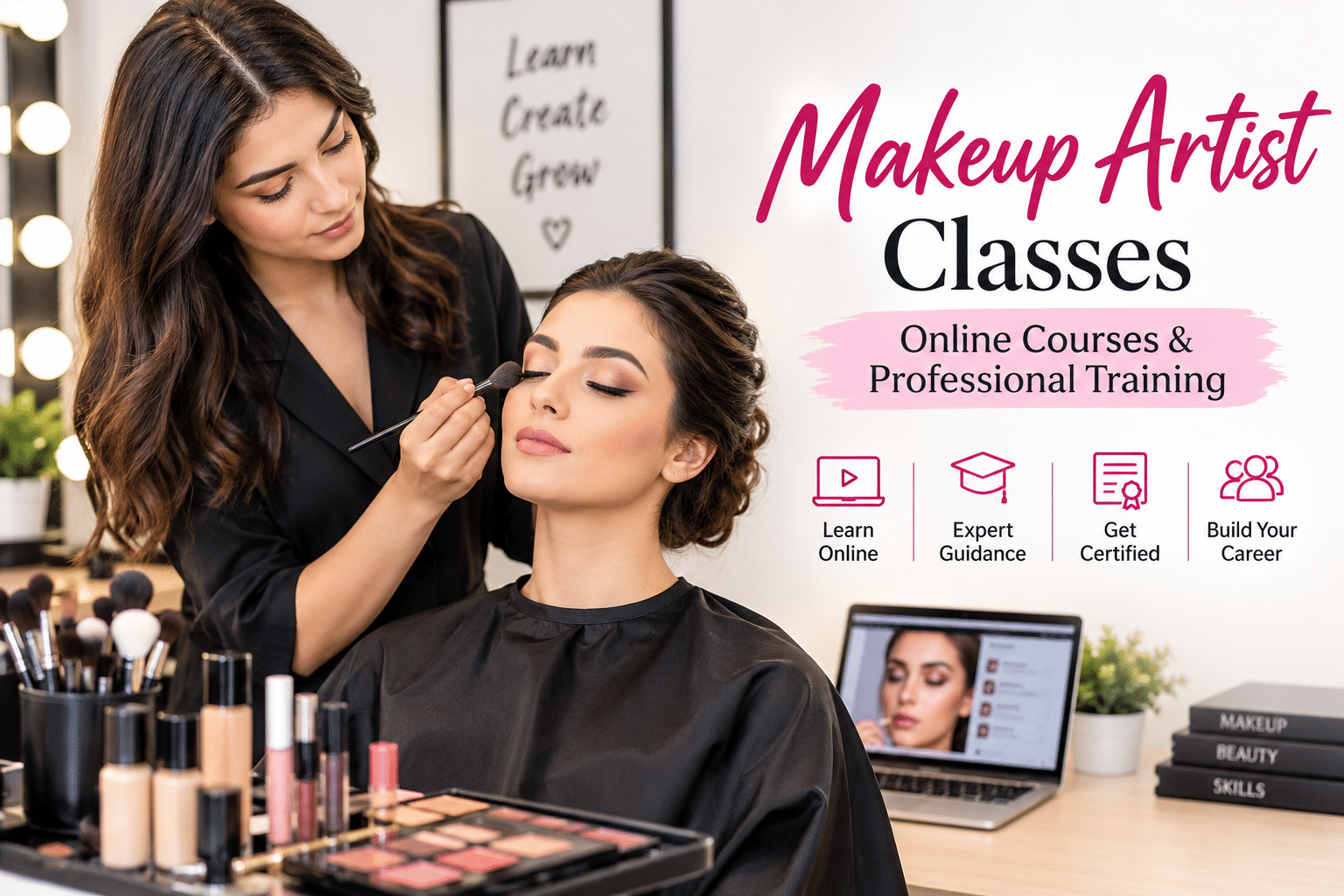
Have you ever wondered how professional makeup artists create flawless bridal looks, glamorous party makeup, and natural beauty styles? The secret is not just expensive makeup products. It is learning the right techniques, understanding different skin types, and practicing the skills that make makeup look professional. Makeup artist classes can help you develop these skills, whether you are a complete beginner or someone who wants to improve existing makeup abilities.
Today, aspiring makeup artists have more learning options than ever. You can study through online makeup courses, attend in-person beauty school programs, or choose practical workshops with experienced instructors. Some courses focus on everyday makeup, while others teach advanced techniques for bridal makeup, photography, fashion, and special occasions.
But how do you choose the right training program? In this guide, you will discover the types of makeup artist classes available, what you can learn, how online training works, and what to consider before enrolling. By the end, you will have a clearer idea of which learning path matches your goals and budget.
What Are Makeup Artist Classes?
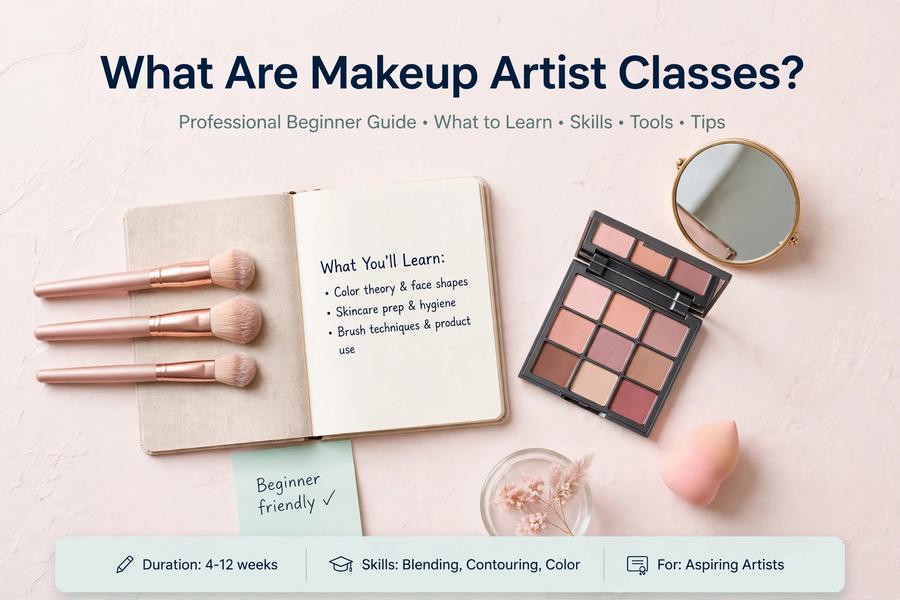
Makeup artist classes are educational programs designed to teach people how to apply makeup professionally or improve their personal makeup skills. These classes may cover basic application methods, product selection, color theory, skin preparation, and advanced beauty techniques.
Some programs are designed for beginners who have never used professional makeup tools. Others are intended for learners who already understand the basics and want to specialize in particular services.
Depending on the course, you may learn:
- Skin preparation and foundation application.
- Concealer, contouring, highlighting, and blush techniques.
- Eye makeup, eyeliner, mascara, and eyeshadow blending.
- Lip color selection and precise lip application.
- Bridal, party, natural, and glamorous makeup looks.
- Hygiene, sanitation, and professional kit maintenance.
- Client communication, consultations, and portfolio development.
The best course for you depends on your experience, preferred makeup style, and long-term goals.
Types of Makeup Artist Classes Available
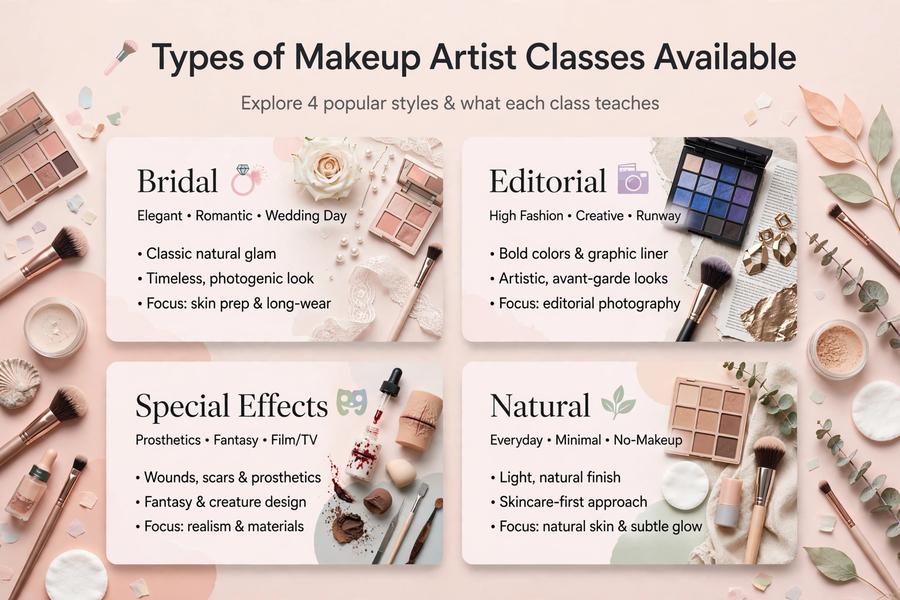
Before choosing a program, it helps to understand the different training options. Each type offers different advantages, so consider how you prefer to learn.
1. Online Makeup Artist Classes
Online makeup classes allow you to learn from home using video lessons, demonstrations, tutorials, and digital learning materials. They are useful for people who need a flexible schedule or cannot regularly travel to a beauty school.
Many online programs cover foundation matching, eye makeup, blending, face shapes, and professional application techniques. Some also include assignments, instructor feedback, quizzes, or live sessions.
Benefits of online classes include:
- Flexible study schedules.
- The ability to replay demonstrations.
- Learning from different instructors.
- Reduced travel expenses.
- Opportunities to practice at your own pace.
However, online learning requires consistent practice. Watching a demonstration alone will not develop professional skills. Practice on yourself or willing models, review your results, and seek feedback whenever possible.
Before enrolling, check whether the course offers instructor support, practical assignments, a completion certificate, and clear information about any additional costs.
2. In-Person Makeup Training
In-person makeup artist classes take place at beauty schools, academies, salons, or training studios. These programs can be particularly helpful for learners who want direct demonstrations and immediate feedback.
An instructor may observe your brush technique, foundation application, blending, and hygiene practices. You may also have opportunities to work with different skin tones, facial features, and makeup preferences.
Some programs include supervised practical sessions, professional product demonstrations, and opportunities to build a portfolio.
The main considerations are tuition fees, travel time, class schedules, and the quality of practical instruction. Visit the training facility or request a detailed course outline before making a decision.
3. Beginner Makeup Classes
Beginner classes are ideal for people who want to build a strong foundation before learning advanced techniques.
These courses usually explain essential makeup tools, product types, skin preparation, and the correct order of application. You may also learn how to choose foundation shades, apply concealer, blend eyeshadow, and create simple everyday looks.
Beginners should look for a course that explains why each technique works rather than simply showing the steps.
A strong foundation makes it easier to learn more complex styles later.
4. Professional Makeup Artist Training
Professional training programs are designed for learners who want to develop makeup skills for clients, events, photography, or beauty-related work.
Depending on the provider, the curriculum may include advanced complexion techniques, color correction, bridal makeup, mature-skin considerations, long-wear application, and makeup for photography.
Some professional programs also cover consultations, pricing, appointment management, sanitation, and portfolio building.
Look for substantial practical work and instructor feedback. A course title that includes the word “professional” does not automatically mean the program is accredited or that its certificate is recognized by employers.
5. Bridal and Special-Occasion Makeup Classes
Bridal makeup training focuses on creating polished looks that suit the client’s preferences, outfit, event, and photography needs.
Students may learn soft glam, traditional bridal styles, long-wearing complexion techniques, eye makeup for different looks, and methods for coordinating makeup with hairstyles and clothing.
Special-occasion courses can also cover party makeup, engagement looks, evening makeup, and formal events.
If bridal makeup is your goal, choose a program that includes practical demonstrations and opportunities to practice complete looks from consultation to final application.
What Will You Learn in Makeup Artist Classes?
A well-structured course should cover more than applying foundation and lipstick. Professional makeup requires technical knowledge, attention to detail, hygiene, and an understanding of individual client needs.
Skin Preparation and Foundation
Good makeup application begins with suitable skin preparation. You will learn how to identify basic skin characteristics, select appropriate products, and prepare the complexion before applying makeup.
Foundation training may include shade matching, coverage selection, blending, and techniques for achieving a natural or full-coverage finish.
Understanding undertones and lighting can also help you avoid mismatched foundation shades.
Eye Makeup and Blending
Eye makeup is an important part of many beauty looks. Classes may teach eyeshadow placement, blending transitions, eyeliner application, mascara techniques, and how to coordinate colors.
You may practice creating natural daytime eyes, soft glam looks, and more dramatic styles.
The goal is to develop control and consistency rather than relying on a single makeup trend.
Contouring, Highlighting, and Blush
These techniques help you create different makeup effects based on personal preferences and the overall look.
Training may cover the placement of contour, highlight, and blush, along with choosing suitable textures and shades. You will also learn how blending and lighting affect the finished result.
Practicing on different face shapes can help you adapt techniques instead of applying the same placement to everyone.
Hygiene and Professional Makeup Tools
Hygiene is essential when working with clients. Professional training should explain brush cleaning, product handling, disposable applicators, and safe makeup practices.
You should understand how to avoid cross-contamination, especially when working around the eyes and lips.
Learning to maintain your makeup kit also helps protect your tools and keeps your workspace organized.
How to Choose the Best Makeup Artist Classes
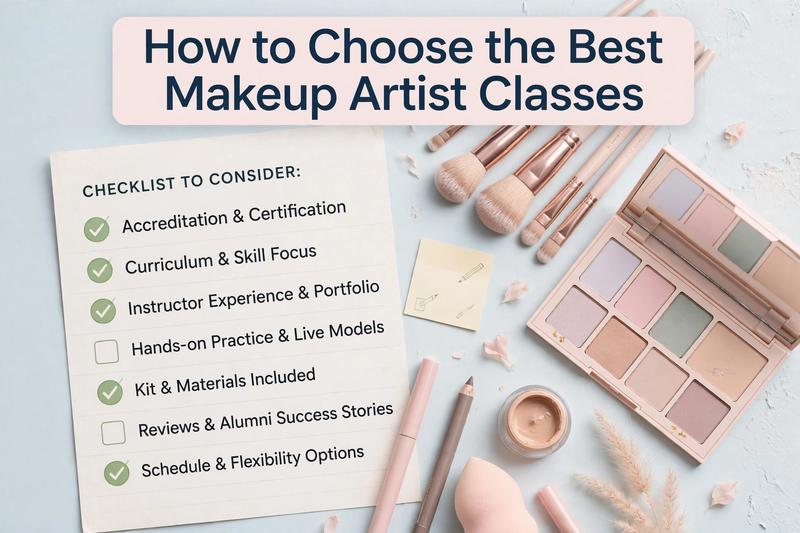
With so many courses available, selecting the right program can feel confusing. Use the following factors to compare your options.
1. Check the curriculum. Make sure the course covers the techniques you want to learn. Beginners should prioritize fundamentals, while experienced learners may prefer advanced or specialized training.
2. Review the instructor’s experience. Look for a clear professional background, examples of completed work, and teaching experience where possible.
3. Compare practical training. Makeup is a hands-on skill. Find out whether the course includes live demonstrations, assignments, model practice, or personalized feedback.
4. Understand the certificate. Some courses provide certificates of completion, while others may offer recognized qualifications through specific institutions. Verify the issuing organization and local requirements rather than assuming every certificate has the same value.
5. Review the total cost. Ask whether tuition includes a makeup kit, learning materials, assessments, and any certificate fee. Online courses may also have optional upgrades or recurring charges.
6. Read student reviews carefully. Look for specific feedback about teaching quality, practical support, course content, and whether students received what was promised.
7. Check scheduling and support. If you choose online learning, confirm how long you can access lessons and whether you can contact an instructor with questions.
How Much Do Makeup Artist Classes Cost?
The cost of makeup artist classes varies considerably. It depends on the course provider, location, course duration, instructor experience, included products, and type of qualification.
Short introductory workshops may cost much less than comprehensive professional programs. Online courses can also differ widely in price, particularly when they include instructor feedback or practical assessments.
Before paying, compare at least two or three programs with similar course content. Check the complete fee structure instead of choosing a course based only on its advertised price.
Ask these questions before enrolling:
- Is the makeup kit included?
- Are there additional examination or certificate fees?
- How long will I have access to the lessons?
- Does the program include practical assignments?
- Is instructor feedback available?
- What is the refund or cancellation policy?
The most expensive course is not necessarily the best. Focus on teaching quality, relevant practical experience, transparent fees, and the support you need to reach your goals.
Can You Become a Makeup Artist Through Online Courses?
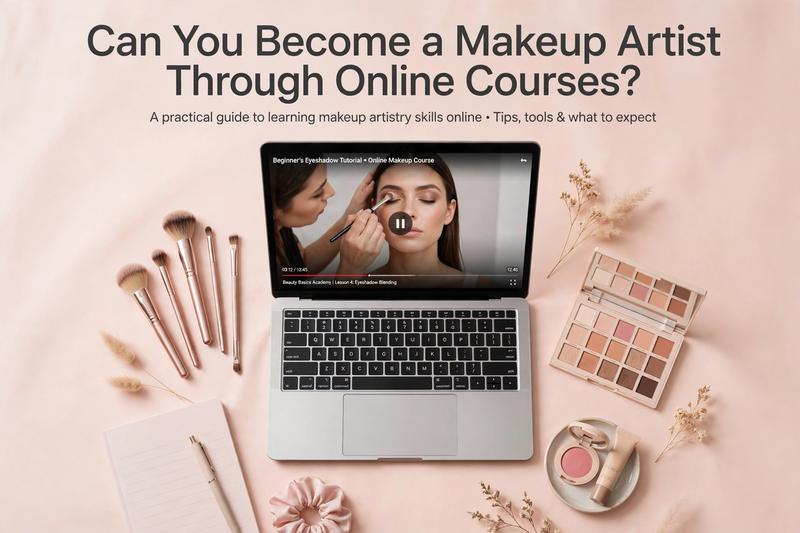
Yes, online courses can help you learn many essential makeup techniques. They are especially useful for understanding product selection, application methods, color theory, and different makeup styles.
However, professional confidence comes from repeated practice. You need to apply what you learn, evaluate your results, and improve based on feedback.
If you want to work professionally, consider combining online lessons with hands-on workshops, supervised practice, or additional in-person training. This approach can help you develop practical skills while keeping your learning schedule flexible.
Also, check local rules if you intend to offer paid beauty services. Requirements may vary depending on your location and the services you provide.
Do Makeup Artist Classes Provide Certification?
Some makeup artist classes offer certificates after you complete the lessons or pass the required assessments. Others focus on education without issuing formal credentials.
A certificate may demonstrate that you completed a course, but it does not automatically guarantee employment, professional licensing, or industry recognition.
Before enrolling, verify the certificate’s issuer, assessment requirements, and acceptance by employers or relevant authorities if you need a formal qualification.
If your main goal is to improve your personal makeup skills, a practical course may be sufficient. If you plan to build a professional career, investigate which qualifications and training standards are relevant to your area.
Career Opportunities After Makeup Artist Training
After developing your skills, you may explore different opportunities in the beauty industry. Your options will depend on your experience, portfolio, local market, and any applicable requirements.
Possible career paths include:
- Freelance makeup artist: Provide makeup services for clients and special occasions.
- Bridal makeup artist: Specialize in wedding and engagement makeup.
- Beauty salon makeup artist: Work with a salon or beauty studio.
- Fashion and editorial makeup artist: Explore creative projects, photography, and fashion-related work.
- Film and media makeup artist: Pursue additional training relevant to production environments.
- Beauty content creator: Share tutorials, product demonstrations, and makeup education online.
You can begin building a portfolio by documenting practice looks with good lighting and clear photographs, using models who have given permission. Keep your examples honest and focus on demonstrating technique, versatility, and consistent results.
Professional success also depends on communication, reliability, time management, and maintaining appropriate hygiene standards.
Tips for Getting the Most Out of Makeup Artist Classes
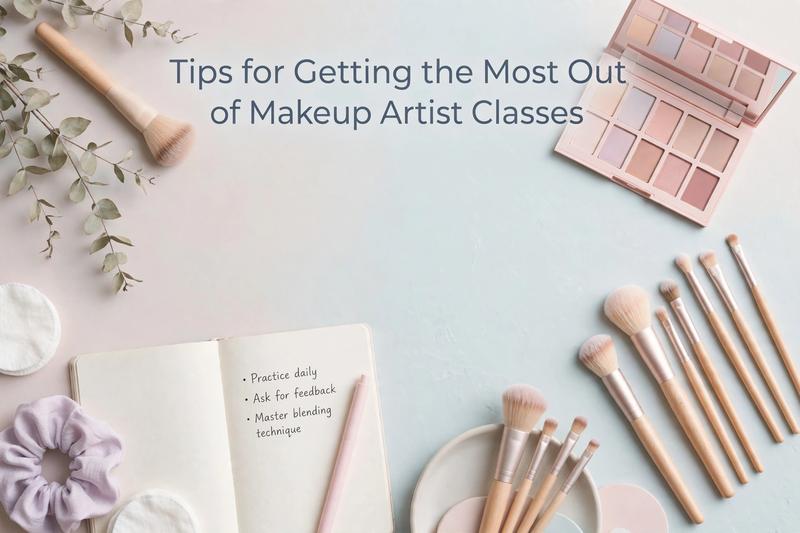
Enrolling in a course is only the beginning. A consistent learning routine can help you make better progress.
Practice regularly. Set aside time to repeat techniques from each lesson. Repetition helps you identify mistakes and develop better control.
Keep a learning journal. Record the products you used, the techniques you practiced, and the areas you want to improve.
Experiment with different looks. Practice natural makeup, soft glam, evening styles, and bridal-inspired looks as your skills develop.
Ask for feedback. Constructive feedback from instructors or experienced artists can reveal issues you may not notice yourself.
Learn product knowledge. Understand the differences between foundation finishes, concealer textures, brushes, and application tools.
Build a portfolio gradually. Photograph your completed work consistently and organize it by makeup style.
Most importantly, be patient with yourself. Professional techniques take time to master, and every practice session gives you another opportunity to learn.
Frequently Asked Questions About Makeup Artist Classes
1. Which makeup artist classes are best for beginners?
Beginner courses that teach skin preparation, foundation, concealer, eye makeup, blending, and hygiene are a good starting point. Choose a program with clear demonstrations and practical exercises.
2. Can I take makeup artist classes online?
Yes. Many providers offer online lessons through recorded videos, live sessions, or structured learning platforms. Check whether practical assignments and instructor feedback are included.
3. How long does makeup artist training take?
Course duration depends on the provider and curriculum. Introductory workshops may take a short time, while comprehensive professional programs can require weeks or months of study and practice.
4. Do I need a certificate to become a makeup artist?
Requirements vary by location and the services offered. A certificate can demonstrate course completion, but you should check local regulations and employer expectations before choosing a qualification.
5. Are makeup artist classes worth the cost?
They can be worthwhile if they provide useful instruction, relevant practical experience, and support that matches your goals. Compare the curriculum, instructor experience, and total cost before enrolling.
6. What should I bring to makeup classes?
Requirements vary by provider. You may need brushes, sponges, basic makeup products, a mirror, and cleaning supplies. Ask whether a kit is provided before purchasing additional items.
7. Can I start a freelance makeup business after training?
Training can help you develop the necessary skills, but a successful business also requires practice, a portfolio, client communication, pricing, and compliance with applicable local requirements.
Final Thoughts
Choosing the right makeup artist classes is an important step toward improving your beauty skills or exploring a career in makeup artistry. Online courses offer flexibility, while in-person training can provide direct guidance and practical experience.
Before enrolling, compare course content, instructor experience, practical opportunities, certification details, and the full cost. Then choose a learning path that matches your current ability and future goals.
With regular practice, patience, and a commitment to improving your techniques, you can build a strong foundation in makeup artistry and explore the opportunities available in the beauty industry.vvvvv